

Why Mobile-Friendly Websites Are Essential for Local Search Rankings: Key Benefits and Strategies
In an increasingly digital world, the importance of mobile-friendly websites cannot be overstated, especially for local businesses aiming to enhance their online visibility. Mobile-friendly websites are designed to provide an optimal viewing experience across a range of devices, from smartphones to tablets. This article will explore the key benefits of mobile-friendly websites, effective implementation strategies, and their impact on local search rankings and user experience. Many local businesses struggle with visibility in search results, which can be significantly improved by adopting mobile-friendly practices. We will delve into the core mobile usability factors, the implications of Google’s mobile-first indexing, and how responsive web design can enhance local SEO performance.
Key Benefits
Mobile-friendly websites offer several advantages that are crucial for local businesses looking to improve their online presence.
- Improved User Experience: A mobile-friendly design ensures that users can easily navigate and interact with the website, leading to higher satisfaction rates.
- Enhanced Search Visibility: Search engines prioritize mobile-friendly sites in their rankings, making it easier for potential customers to find local businesses.
- Faster Loading Times: Optimized mobile sites load more quickly, reducing bounce rates and keeping users engaged.
- Increased Engagement: A seamless mobile experience encourages users to spend more time on the site, leading to higher conversion rates.
These benefits highlight the necessity of mobile optimization for local businesses aiming to thrive in a competitive digital landscape.
Implementation Strategies
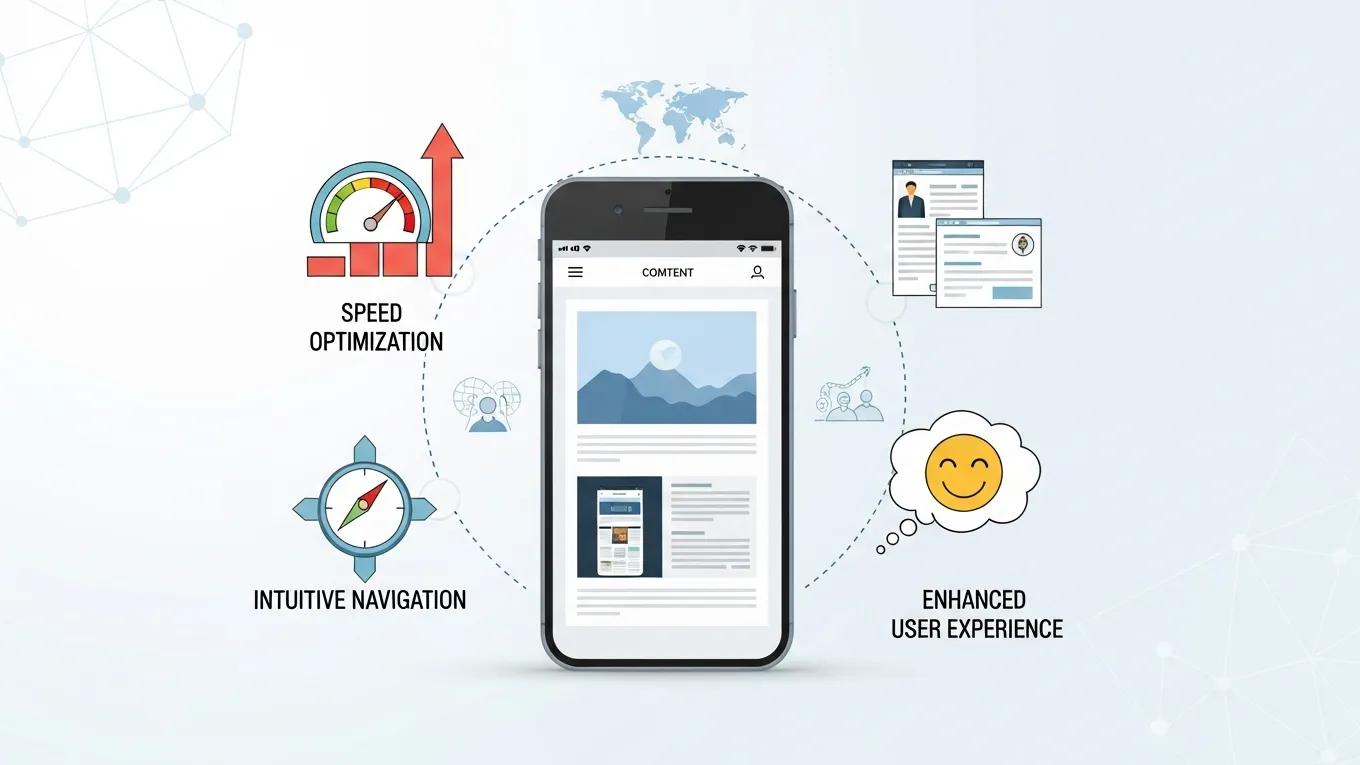
To effectively implement a mobile-friendly design, businesses should consider several key strategies:
- Responsive Design: This approach allows websites to adapt to various screen sizes, ensuring a consistent user experience across devices.
- Mobile Optimization Techniques: Techniques such as image compression and minimizing code can significantly enhance site performance on mobile devices.
- User-Friendly Navigation: Simplifying navigation menus and ensuring that buttons are easily clickable can improve user interaction.
- Regular Audits: Conducting periodic reviews of the website’s mobile performance can help identify areas for improvement.
By following these strategies, local businesses can create a mobile-friendly website that meets the needs of their customers.
Responsive Web Design for Mobile-First Information Consumption
Responsive web design is one of the most recent trends that can help libraries meet their patrons’ high expectations in the mobile-first culture of information consumption. Libraries’ active presence on the mobile Web is now a must, and libraries need to skillfully and creatively adapt themselves to the new information landscape characterized by the abundance of information and the scarcity of human attention.
Responsive web design, discoverability, and mobile challenge, B Kim, 2013
Impact on Search Visibility and User Experience
Mobile usability plays a critical role in determining search rankings and overall user satisfaction. Websites that are not optimized for mobile devices often experience lower visibility in search results, as search engines like Google prioritize mobile-friendly sites. This prioritization is part of Google’s mobile-first indexing approach, which evaluates the mobile version of a website for ranking purposes.
Moreover, a positive user experience on mobile devices leads to higher engagement metrics, such as longer session durations and lower bounce rates. These factors contribute to improved search rankings, creating a cycle where better mobile usability enhances visibility, which in turn drives more traffic to the site.
How Does Mobile Usability Impact Local SEO Performance?

Mobile usability directly influences local SEO performance by affecting how search engines rank websites. A mobile-friendly site is more likely to appear in local search results, as search engines consider mobile optimization a key ranking factor.
SEO’s Impact on Website Ranking in Google Search Results
Now Search Engine Optimization (SEO) makes a big impact on online companies by affecting their websites. So, being ranked in the Google search result is too important to boost the company’s growth. This research paper analyzes what factors impact websites to rank in Google search results.
How SEO Impacts on Websites Rank?, 2024
Additionally, local businesses that prioritize mobile usability can expect to see an increase in foot traffic and online inquiries, as users are more likely to engage with a site that offers a seamless mobile experience. This connection between mobile usability and local SEO underscores the importance of investing in responsive web design.
What Are the Core Mobile Usability Factors for Local Businesses?
Several core factors contribute to mobile usability, which local businesses should prioritize:
- Mobile-Friendliness: Ensuring that the website is designed specifically for mobile users.
- Page Speed: Fast loading times are essential for retaining users and improving search rankings.
- Core Web Vitals: Metrics that assess the loading performance, interactivity, and visual stability of a page.
- User Experience: A focus on intuitive design and easy navigation enhances user satisfaction.
By addressing these factors, local businesses can significantly improve their mobile usability and, consequently, their local search performance.
How Does Improved Mobile Usability Enhance User Experience and Engagement?
Improving mobile usability leads to a more satisfying user experience, which is crucial for retaining visitors. A responsive design allows users to access information quickly and easily, reducing frustration and encouraging them to explore the site further.
Additionally, optimizing page speed and ensuring intuitive navigation can lead to higher engagement rates. Users are more likely to return to a site that provides a positive experience, which can translate into increased customer loyalty and repeat business.
What Is Google Mobile-First Indexing and Its Effect on Local Search?
Google’s mobile-first indexing means that the search engine predominantly uses the mobile version of a website for indexing and ranking. This shift reflects the growing trend of mobile internet usage, making it essential for businesses to ensure their mobile sites are fully optimized.
The implications for local search are significant; businesses that fail to adapt to this indexing approach may find themselves at a disadvantage in search rankings. Therefore, understanding and implementing mobile-first strategies is crucial for maintaining visibility in local search results.
How Does Mobile-First Indexing Change Local SEO Ranking Criteria?
With mobile-first indexing, the criteria for local SEO rankings have evolved. Factors such as mobile usability, page speed, and responsive design have become more critical than ever.
Businesses must ensure that their mobile sites are not only functional but also optimized for performance. This includes using structured data to enhance search visibility and ensuring that content is accessible and engaging on mobile devices.
What Are the Best Practices to Align with Google’s Mobile-First Indexing?
To align with Google’s mobile-first indexing, businesses should adopt the following best practices:
- Ensure Mobile-Friendliness: Use responsive design to create a seamless experience across devices.
- Optimize Page Speed: Implement techniques to reduce loading times, such as image compression and code minification.
- Maintain Content Consistency: Ensure that the content on the mobile site matches that of the desktop version to avoid discrepancies.
By following these best practices, local businesses can improve their chances of ranking well in search results.
How Does Responsive Web Design Benefit Local Businesses’ SEO?
Responsive web design is a crucial element for local businesses looking to enhance their SEO efforts. By creating a single website that adapts to various devices, businesses can streamline their SEO strategies and improve user experience.
This design approach not only simplifies website management but also ensures that all users receive the same content, which is essential for maintaining consistency in search rankings. Additionally, responsive design can lead to faster loading times, further enhancing user engagement and satisfaction.
Why Is Responsive Design Critical for Mobile Site Performance?
Responsive design is critical for mobile site performance as it allows websites to adjust to different screen sizes and orientations. This adaptability ensures that users have a positive experience, regardless of the device they are using.
Moreover, responsive design can improve loading times, as it eliminates the need for separate mobile sites. This efficiency can lead to better search rankings, as search engines favor sites that provide a seamless user experience.
How Does Responsive Design Improve Local Search Visibility and Lead Generation?
Responsive design enhances local search visibility by ensuring that websites are optimized for mobile users. This optimization is crucial, as a significant portion of local searches are conducted on mobile devices.
By providing a user-friendly experience, businesses can increase engagement and lead generation. Users are more likely to contact or visit a business that offers a seamless mobile experience, ultimately driving more traffic and conversions.
What Role Does Mobile Site Speed Play in Local Search Rankings?
Mobile site speed is a vital factor in local search rankings. Search engines prioritize fast-loading sites, as they provide a better user experience.
A slow mobile site can lead to higher bounce rates, negatively impacting search rankings. Therefore, businesses must focus on optimizing their mobile site speed to improve visibility in search results.
How Does Faster Mobile Site Speed Increase Local Conversion Rates?
Faster mobile site speed directly correlates with higher conversion rates. Users are more likely to complete a purchase or inquiry if the site loads quickly and efficiently.
By optimizing mobile site speed, businesses can enhance user satisfaction and drive more conversions, ultimately leading to increased revenue.
What Are Effective Strategies to Optimize Mobile Site Speed for Local SEO?
To optimize mobile site speed, businesses can implement several effective strategies:
- Image Optimization: Compress images to reduce loading times without sacrificing quality.
- Minifying CSS and JavaScript: Remove unnecessary characters from code to improve performance.
- Leveraging Browser Caching: Store frequently accessed data to speed up loading times for returning visitors.
By adopting these strategies, local businesses can significantly enhance their mobile site speed and improve their local SEO performance.