Understanding SEO: The Foundation of Online Success
Search Engine Optimization (SEO) is crucial for businesses aiming to enhance their online presence. By optimizing their websites for search engines, companies can increase visibility, attract more visitors, and ultimately drive sales. SEO encompasses various strategies, including keyword research, on-page optimization, and link building, all designed to improve a site's ranking on search engine results pages (SERPs).
For instance, a well-executed SEO strategy can lead to significant increases in organic traffic. According to recent studies, businesses that invest in SEO see an average return on investment (ROI) of 122%. This demonstrates the importance of understanding and implementing effective SEO practices to stay competitive in the digital marketplace.
Key Elements of Effective SEO Strategies
To develop a robust SEO strategy, businesses must focus on several key elements, including keyword optimization, quality content creation, and user experience. Identifying the right keywords is essential, as these terms directly influence how potential customers find your website. Tools like Google Keyword Planner can help businesses discover high-traffic keywords relevant to their industry.
Additionally, creating high-quality, engaging content is vital for keeping visitors on your site and encouraging them to return. This includes blog posts, articles, and product descriptions that not only incorporate targeted keywords but also provide value and insight to the reader. A positive user experience, characterized by fast load times and mobile responsiveness, further enhances the effectiveness of an SEO strategy.
Local SEO: Targeting Your Community
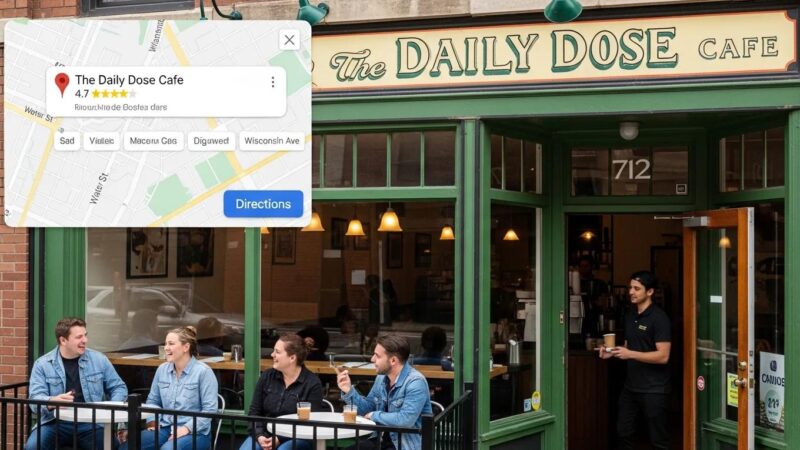
Local SEO is a specialized branch of SEO that focuses on optimizing a business's online presence to attract more customers from relevant local searches. This is particularly important for businesses that operate in specific geographical areas, as it helps them stand out in local search results. Key components of local SEO include optimizing Google My Business listings and acquiring local backlinks.
For example, a local restaurant can benefit greatly from local SEO by ensuring its name, address, and phone number (NAP) are consistent across all online platforms. Additionally, gathering positive customer reviews on platforms like Yelp and Google can significantly enhance visibility and credibility within the local community, ultimately driving more foot traffic to the establishment.
Measuring SEO Success: Tools and Metrics
Measuring the success of your SEO efforts is essential for understanding what works and what needs improvement. Various tools and metrics can help businesses track their performance, including Google Analytics, SEMrush, and Ahrefs. These tools provide insights into website traffic, keyword rankings, and user behavior, allowing businesses to make data-driven decisions.
Key metrics to monitor include organic traffic, bounce rate, and conversion rate. Organic traffic indicates the number of visitors arriving at your site through search engines, while bounce rate measures the percentage of visitors who leave after viewing only one page. Conversion rate, on the other hand, reflects the percentage of visitors who complete a desired action, such as making a purchase or signing up for a newsletter. By analyzing these metrics, businesses can refine their SEO strategies for better results.







Recent Comments